
What Should You Do Immediately After Discovering Bank Fraud? | Alabama Bank Fraud
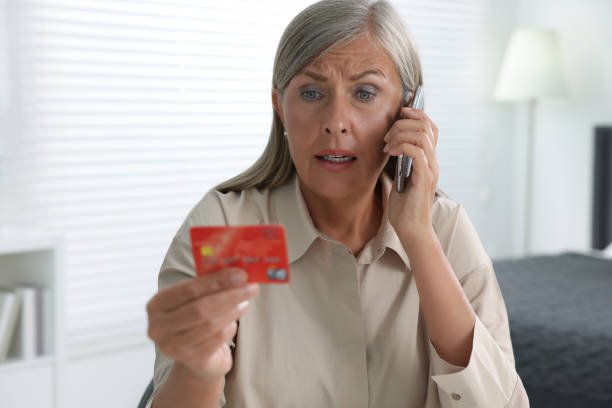
If you discover bank fraud, act quickly. First, contact your bank or financial institution through an official phone number and report the unauthorized transaction. Next, secure your account, change compromised passwords, preserve statements and transaction records, and ask the bank to document your fraud report. You should also gather bank fraud claim evidence, such as transaction details, emails, text messages, account statements, screenshots, and correspondence with the bank. Depending on the circumstances, you may also need to report the fraud to law enforcement or appropriate government agencies and speak with an attorney about your legal options.
Bank fraud can involve unauthorized withdrawals, fraudulent checks, account takeovers, identity theft, debit card fraud, electronic transfers, or other unauthorized activity. Because evidence can disappear or become harder to obtain over time, taking organized action immediately can help protect your financial interests.
What Is Bank Fraud?
Bank fraud generally involves deceptive or unauthorized activity intended to obtain money, financial information, or access to a bank account.
For example, fraud may involve:
- Unauthorized withdrawals from a checking or savings account
- Fraudulent checks or altered checks
- Unauthorized debit card transactions
- Online banking account takeovers
- Unauthorized electronic transfers
- Identity theft connected to a bank account
- Phishing or fake bank communications
- Fraudulent accounts opened using someone else’s identity
The FBI has documented phishing schemes in Alabama where victims were tricked into providing banking and debit-card information through fraudulent websites. In one investigation, stolen account information was used to create debit cards and make unauthorized ATM withdrawals.
That is why you should treat an unexpected transaction or suspicious account activity seriously.
What Should You Do Immediately After Discovering Bank Fraud?
1. Contact Your Bank Immediately
Your first step should be contacting your bank’s fraud or security department.
Use a phone number from your bank statement, debit card, official banking application, or the bank’s verified website. Avoid using contact information provided in a suspicious email, text message, or phone call.
Tell the bank:
- Which transaction you believe is fraudulent
- When you noticed it
- The amount involved
- Whether your card or account information was compromised
- Whether you still have possession of your card or checkbook
- Whether you received suspicious calls, emails, or messages
Ask the bank to provide confirmation that you reported the transaction.
2. Secure Your Bank Account
After reporting the suspected fraud, take steps to prevent additional unauthorized activity.
Depending on the situation, you may need to:
- Freeze or close a compromised account
- Cancel a compromised debit card
- Change your online banking password
- Change your email password
- Update security questions
- Enable multi-factor authentication
- Review account access and recent login activity
- Ask the bank whether additional security measures are appropriate
The Alabama Attorney General’s Office has advised consumers dealing with identity theft to contact financial institutions, work with fraud departments, secure accounts, and use stronger passwords.
Preserve Bank Fraud Claim Evidence
One of the most important steps after discovering fraud is preserving bank fraud claim evidence.
Do not rely only on your memory. Create a complete record of what happened.
What Evidence Should You Collect?
Useful evidence may include:
- Bank statements
- Transaction histories
- Screenshots of unauthorized transactions
- Check images
- Debit or credit card records
- Emails from suspected scammers
- Text messages
- Phone numbers used by suspected scammers
- Copies of suspicious letters
- Fraud-report confirmation numbers
- Bank correspondence
- Copies of police or agency reports
- Names of bank representatives you contacted
- Dates and times of your communications
- Any documents showing unauthorized account activity
Keep original documents whenever possible. Also, create a separate folder where you can organize copies and notes.
This evidence may help you explain the timeline of events to your bank, investigators, or an attorney.
Create a Clear Timeline of the Fraud
A simple timeline can make your records much easier to understand.
For example:
- January 5: Received suspicious text message.
- January 6: Clicked the link and entered information.
- January 7: Noticed an unfamiliar withdrawal.
- January 7: Contacted the bank’s fraud department.
- January 8: Changed online banking credentials.
- January 9: Submitted supporting documents.
A detailed timeline can connect the events and show when you discovered the unauthorized activity.
It can also help identify whether multiple transactions are connected.
Report the Fraud to the Appropriate Authorities
Depending on the circumstances, you may need to report suspected fraud to appropriate authorities.
The Alabama Attorney General’s Office provides a consumer complaint process and allows consumers to submit supporting documentation with complaints. The office also states that filing a consumer complaint is not the same as filing a legal action.
You may also consider reporting certain fraud or identity-theft matters through federal reporting channels. The FBI provides resources for reporting suspicious activity and financial crimes, while its victim-services resources direct identity-theft victims toward federal resources.
The appropriate reporting option depends on the type of fraud involved.
Be Careful With Follow-Up Scams
After experiencing bank fraud, you may become a target for additional scams.
A person may contact you and claim to be:
- A bank employee
- A government investigator
- A police officer
- A fraud recovery specialist
- A financial institution representative
They may ask for passwords, PINs, verification codes, Social Security information, or additional money.
Do not automatically trust an unexpected caller simply because the person knows some information about your account.
Instead, independently contact the organization using a verified number.
The Alabama Attorney General’s Office specifically advises consumers to be cautious about unsolicited calls requesting financial information and recommends independently contacting the financial institution when there is an actual account problem.
When Should You Speak With a Bank Fraud Attorney?
Consider speaking with an attorney when the fraud involves substantial financial losses, complicated transactions, identity theft, disputed responsibility, or difficulty resolving the matter directly with the financial institution.
An attorney may review:
- The nature of the unauthorized transaction
- Your communications with the bank
- Available bank fraud claim evidence
- Account statements
- The timeline of events
- Reports made to authorities
- Correspondence concerning the disputed transactions
Legal options can vary depending on the facts, the type of transaction, the parties involved, and applicable law. Therefore, getting advice based on your specific circumstances can be important.
Why Acting Quickly Matters
Fraud situations can become more complicated when victims wait before reporting suspicious activity.
Quick action helps you:
- Alert the bank about unauthorized activity
- Protect remaining funds
- Preserve important records
- Create a clear timeline
- Reduce the risk of additional unauthorized transactions
- Document your communications
- Identify potential reporting options
However, every fraud case is different. The appropriate response depends on how the transaction occurred and what information was compromised.
Key Takeaways
- Contact your bank as soon as you discover suspicious activity.
- Use verified contact information when communicating with your financial institution.
- Secure compromised accounts and online credentials.
- Preserve bank fraud claim evidence.
- Keep statements, screenshots, messages, emails, and transaction records.
- Create a detailed timeline of events.
- Report fraud to appropriate authorities when applicable.
- Be cautious of follow-up scams.
- Consider speaking with an attorney if the situation is complex or disputed.
People Also Ask
What should I do first after discovering bank fraud?
Contact your bank’s fraud or security department immediately through a verified communication channel. Explain the unauthorized transaction, ask what protective steps are available, and keep documentation of your report.
What is bank fraud claim evidence?
Bank fraud claim evidence includes documents and records that help establish what happened. Examples include bank statements, transaction records, screenshots, check images, emails, text messages, correspondence, and records of communications with the bank.
Can I report bank fraud in Alabama?
Depending on the circumstances, you may report suspected fraud to appropriate financial institutions, law enforcement, federal agencies, or the Alabama Attorney General’s Consumer Protection resources. The correct reporting option depends on the type of fraud involved.
Should I change my bank password after fraud?
If your online banking credentials may have been exposed, changing your password can be an important security step. You should also ask your bank what additional security measures are appropriate for your account.
What documents should I keep after bank fraud?
Keep bank statements, transaction records, screenshots, emails, text messages, check images, fraud-report confirmations, correspondence, and notes showing when and how you contacted the bank.
Can bank fraud involve identity theft?
Yes. Identity theft can be connected to fraudulent bank accounts, unauthorized transactions, and other financial activity. The FBI identifies financial identity theft as including false charges and fraudulent bank or credit accounts opened using another person’s information.
What if my bank does not resolve my fraud claim?
Keep records of your communications and supporting documents. You may also consider appropriate regulatory or consumer-protection reporting options and consult an attorney about the facts of your situation.
Contact Us Now
If you have discovered suspected bank fraud or need help understanding your options, professional legal guidance may help you evaluate your situation and the available next steps.
Alabama Bank Fraud
Location: 1125 Walnut Street, Suite C, Macon, GA 31201
Call: +1 866-262-2834
Email: cc@cliffcarlsonlaw.com
Website: www.alabamabankfraud.com
Alabama Bank Fraud provides information and legal assistance related to bank fraud matters. If you believe you have experienced unauthorized financial activity, gather your records and seek appropriate guidance as soon as possible.